
If you are waiting for a total hip replacement or total knee replacement, it can feel like you are simply counting down the days. Pain may already be limiting your walking. Getting out of a chair might take more effort. Stairs may feel uncertain. Once surgery is recommended, many people assume there is nothing left to do but wait.
 But waiting does not have to mean getting weaker.
This is where prehabilitation, often called prehab, becomes important. Prehab means preparing your body before surgery rather than focusing only on recovery afterwards. It is built around three key pillars: physical activity, nutrition, and mental readiness.
For people with hip arthritis or knee arthritis, the most important pillar is structured exercise.
Osteoarthritis is often described as a form of wear and tear, which can make a decline in strength feel inevitable. However, the body is adaptable. Arthritis affects not only cartilage but also the muscles and supporting tissues around the joint. When pain reduces movement, muscles weaken. As strength declines, the joint becomes less stable and symptoms can worsen. This cycle makes joint replacement surgery feel unavoidable.
 Exercise before surgery can interrupt that cycle.
Strength training rebuilds the muscles that support the hip and knee. Neuromuscular training improves balance and joint control. As strength and stability improve, joints feel more supported and pain often becomes more manageable.
Prehab also addresses something many people overlook. Doing nothing while waiting for total hip or total knee replacement can lead to further muscle loss, reduced mobility and increased frailty. Time on a surgical waiting list does not need to be a period of decline. It can be a period of preparation.
International programmes have demonstrated the power of this approach. Denmark’s GLA:D programme, which stands for Good Life with Osteoarthritis in Denmark, combines structured education with supervised exercise for people with hip and knee arthritis. Results have shown significant reductions in pain and improvements in function, and many participants were able to delay or avoid joint replacement surgery altogether.
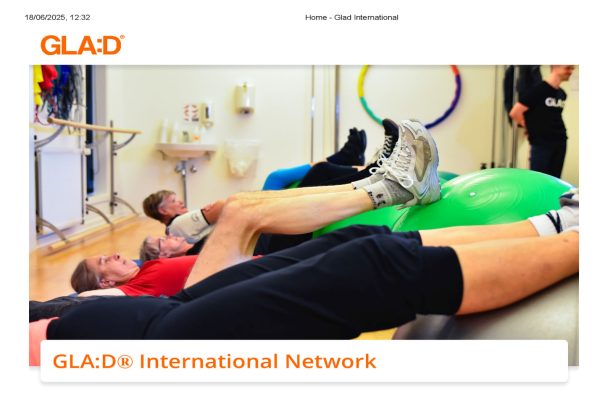
If you would like a clearer explanation of prehabilitation, its three pillars, and how programmes like GLA:D have helped thousands improve before surgery, you can watch the full educational video here: